
 admin
adminIn the fast-paced world of digital platforms, real-time transaction systems have become the backbone of online services. Whether it involves financial operations, user interactions, or data exchanges, these systems must process information instantly while maintaining the highest level of security. Cybersecurity protocols play a crucial role in ensuring that these transactions remain safe, accurate, and reliable.
A strong example of secure implementation can be seen in MK8, where advanced security layers are integrated into real-time systems to protect both user data and platform integrity. This demonstrates how modern cybersecurity practices are essential for maintaining trust and performance in digital environments.
🔐 Understanding Real-Time Transaction Systems
Real-time transaction systems are designed to process and validate data instantly as it is generated. Unlike traditional systems that operate in batches, these systems provide immediate feedback and updates.
Common examples include:
- Online payments and financial transactions
- Live data synchronization
- Instant account updates
- Real-time gaming interactions
Because of their speed and complexity, these systems are highly attractive targets for cyber threats, making robust security protocols essential.
🛡️ Core Cybersecurity Protocols
To protect real-time systems, platforms implement multiple layers of security protocols:
1. Encryption
Encryption ensures that all data transmitted between users and servers is unreadable to unauthorized parties. Technologies such as SSL/TLS are widely used to secure communication channels.
2. Authentication and Authorization
Secure authentication methods verify user identity, while authorization controls what actions users are allowed to perform within the system.
3. Secure APIs
APIs are the backbone of modern platforms, and securing them is critical. This includes using API keys, tokens, and rate limiting to prevent misuse.
4. Network Security
Firewalls, intrusion detection systems (IDS), and intrusion prevention systems (IPS) help monitor and protect network traffic from malicious activity.
⚡ Challenges in Real-Time Security
One of the biggest challenges in real-time systems is maintaining strong security without compromising speed. Security measures must be implemented in a way that does not introduce noticeable delays.
Key challenges include:
- Handling large volumes of transactions
- Detecting threats in real time
- Preventing data breaches without affecting performance
To overcome these challenges, platforms use advanced technologies such as AI-driven threat detection and automated security responses.
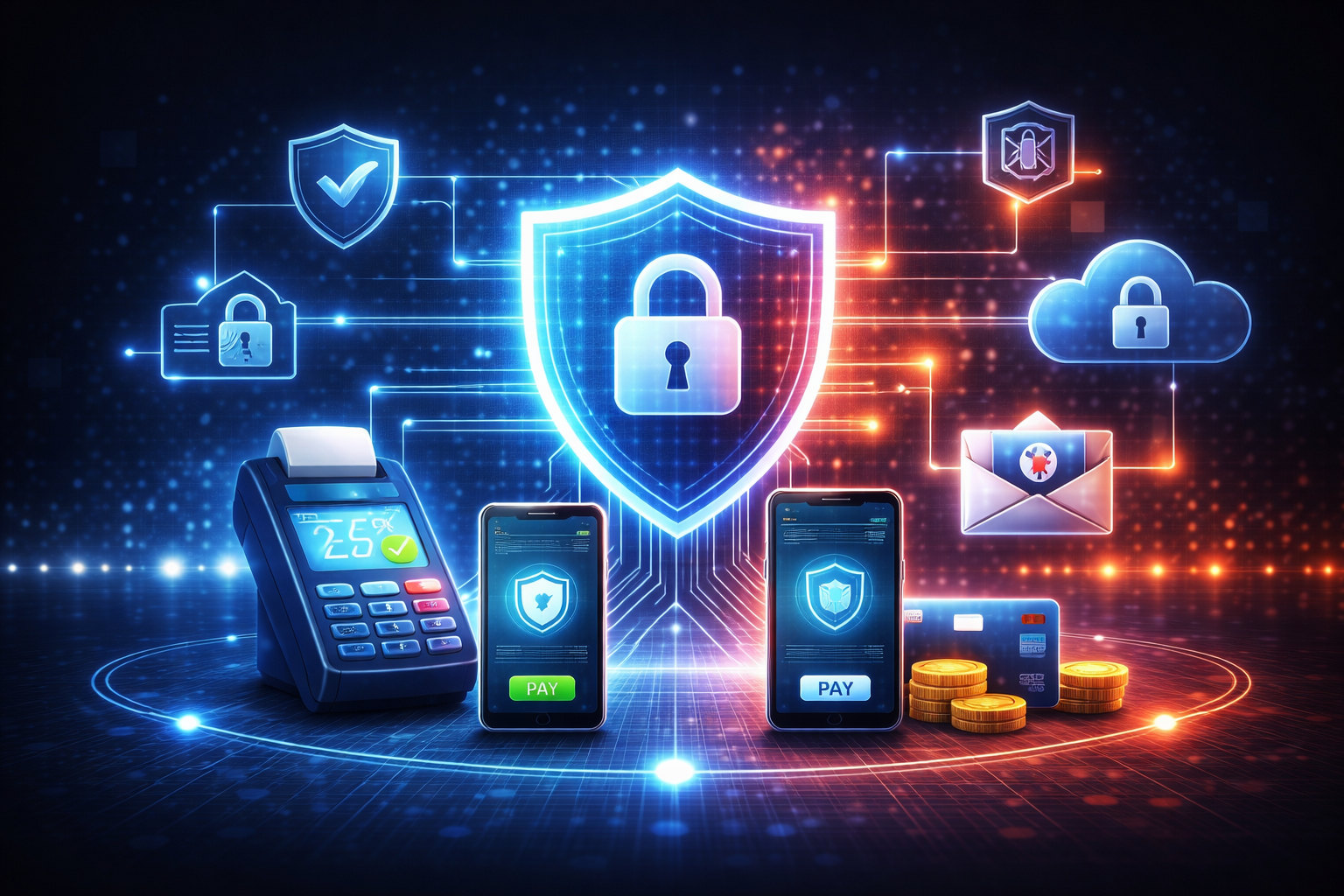
🤖 AI and Machine Learning in Cybersecurity
Artificial Intelligence has become a powerful tool in cybersecurity. AI systems can analyze vast amounts of data in real time to detect unusual patterns and potential threats.
Applications include:
- Fraud detection systems
- Behavioral analysis of users
- Automated threat response
- Predictive security measures
By leveraging AI, platforms can respond to threats faster and more accurately than traditional methods.
🔄 Real-Time Monitoring and Incident Response
Continuous monitoring is essential for maintaining the security of real-time systems. Platforms use monitoring tools to track system activity and detect anomalies instantly.
When a threat is detected, incident response mechanisms are triggered to:
- Isolate affected systems
- Prevent further damage
- Notify administrators
- Restore normal operations
This proactive approach minimizes risks and ensures system stability.
🔐 Data Integrity and Transaction Accuracy
In addition to protecting data, cybersecurity protocols must ensure that transactions are accurate and tamper-proof. Any alteration in transaction data can lead to serious consequences.
Techniques used include:
- Digital signatures for verification
- Hashing algorithms to ensure data integrity
- Audit logs for tracking system activity
These measures ensure that every transaction is processed correctly and securely.
🌍 Compliance and Regulatory Standards
Many industries require platforms to comply with strict security regulations. These standards ensure that systems follow best practices for data protection and cybersecurity.
Examples include:
- GDPR for data privacy
- PCI DSS for payment security
- ISO/IEC standards for information security
Compliance not only enhances security but also builds credibility and trust among users.
🎯 Conclusion
Cybersecurity protocols are essential for protecting real-time transaction systems in modern digital platforms. By combining encryption, authentication, AI-driven monitoring, and compliance with global standards, platforms can ensure secure and reliable operations.
As cyber threats continue to evolve, investing in advanced security measures is critical for long-term success. Platforms that prioritize cybersecurity will not only protect their users but also strengthen their position in an increasingly competitive digital landscape.